Home Services Facelift

Ankara Facelift Specialist

Op. Dr. İrfan Erdem, an Ankara facelift specialist with over 30 years of experience, delivers natural, youthful results while preserving facial expressions. From endoscopic templift to blepharoplasty and neck lift — every case is planned around facial harmony.

30+ Years of Experience
Natural Expression Preserved
Endoscopic Technique
Facial Harmony

What is Facelift?

Facelift is an aesthetic surgical procedure performed to eliminate sagging, wrinkles and signs of aging in the face and neck area. With the deep plane facelift technique, deeper tissue layers of the face are also addressed, providing more natural and long-lasting results. Op. Dr. İrfan Erdem prepares a personalized treatment plan by analyzing each patient's facial anatomy and aging profile in detail.

Eyelid surgery (blepharoplasty) eliminates drooping and puffiness in the upper and lower eyelids. Brow lift and endoscopic temporal lift correct sagging in the temple and forehead area with minimal scarring. Complementary procedures such as neck lift, cheek augmentation, chin aesthetics and ear aesthetics (otoplasty) can also be performed in the same session.

Deep plane facelift, unlike the classic SMAS technique, works at the deeper layers of the face to lift the muscle and connective tissue together. The SMAS (Superficial Musculoaponeurotic System) technique focuses on tightening the muscle layer beneath the skin, while the deep plane facelift goes below the SMAS to more effectively correct volume loss and sagging in the mid-face area. As a result, the outcomes are both more natural and can last 10 years or longer.

Mini facelift is an ideal option for younger patients (between ages 40-50). It focuses on correcting early sagging in the lower face and jawline with smaller incisions and shorter operation time. Recovery time is shorter compared to a traditional facelift. Neck lift is a complementary procedure applied to address issues such as submental sagging, neck bands, and platysma muscle laxity. Performing a neck lift together with a facelift provides a harmonious rejuvenation between the face and neck.

Non-surgical rejuvenation methods can also be applied as complementary to facelift procedures. Dermal filler injections (hyaluronic acid) add volume to the cheek, lip, and chin areas; botox eliminates forehead wrinkles, crow's feet, and frown lines. These treatments can be used before or after surgery to optimize results. During the recovery process, cold compress application is recommended for the first 48 hours, bandaging for 10-14 days, avoiding strenuous exercise for 3-4 weeks, and the final result is fully visible after 6-8 weeks. Regular use of sunscreen and a healthy lifestyle support the longevity of surgical results for 7 to 10 years or more.

  • Facelift (face lift)
  • Eyelid surgery (blepharoplasty)
  • Endoscopic temporal lift & brow lift
  • Neck lift
  • Deep plane facelift technique
  • Facial fat injection
  • Mini facelift
  • Chin aesthetics
  • Ear aesthetics (otoplasty)
  • Forehead lift

Procedure Info

Duration

2 - 4 hours

Anesthesia

General Anesthesia

Hospital Stay

1 Night

Recovery Time

10-14 days

Location

Mahall F Block No: 16, Ankara
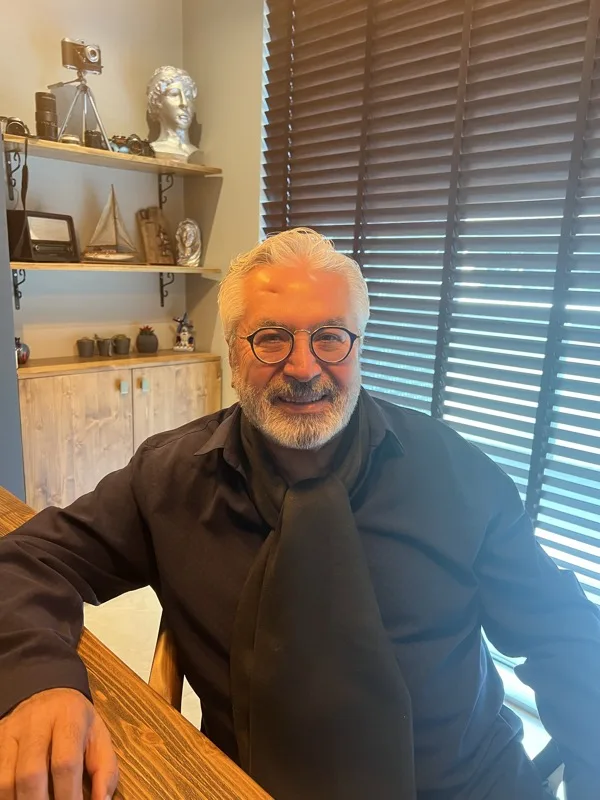
Op. Dr. İrfan Erdem - Ankara yüz estetiği ve yüz germe uzmanı

Facelift Process

1

Consultation & Analysis

Your facial structure is analyzed, signs of aging are evaluated and the most suitable technique for you is determined.

2

Surgery

Under general anesthesia, the face and neck area are lifted using deep plane facelift or endoscopic technique.

3

Recovery

1 night hospital stay. 10-14 days of bandaging. Rest during the first week, return to social life after 2-3 weeks.

4

Results

Natural and youthful appearance. Effects last 7-10 years. Regular follow-up appointments are conducted.

Facelift with Op. Dr. İrfan Erdem

With extensive experience, Op. Dr. İrfan Erdem applies the deep plane technique in facelift operations, addressing not only the superficial tissues of the face but also the deeper muscle and connective tissue layers. This results in more natural, longer-lasting outcomes with minimal visible scarring.

Surgeries are conducted with state-of-the-art equipment in a sterile environment. All modern techniques including deep plane facelift are applied.

Frequently Asked Questions About Facelift

Facelift surgery generally takes 2-4 hours, but this duration may vary depending on the scope of the procedure. A procedure targeting only the face area takes less time, while combining additional procedures such as neck lift, eyelid surgery, or brow lift can extend the total duration to 5-6 hours. The deep plane facelift technique may take slightly longer compared to the classic SMAS technique, as it requires working on deeper tissues. A mini facelift, on the other hand, is usually completed within 1-2 hours since it works on a more limited area. Detailed pre-operative planning and comprehensive evaluation of the patient's facial anatomy ensure the operation is completed safely and efficiently. Op. Dr. İrfan Erdem prepares a customized surgical plan for each patient to determine the most appropriate duration and technique combination.

During the first 48 hours after surgery, cold compresses are applied to the face to minimize swelling and bruising. Special elastic bandaging must be used for 10-14 days, and during this period, sleeping with the head elevated is recommended. Complete rest is advised during the first week; heavy lifting, bending, and physical exertion should be avoided. Swelling and bruising largely subside within 2-3 weeks, although mild swelling may take 6-8 weeks to fully resolve. Return to social life is generally possible within 2-3 weeks, and heavy exercise and sports activities can be resumed after 4-6 weeks. Sutures are removed within 7-10 days after surgery, and regular follow-up appointments are scheduled by Op. Dr. İrfan Erdem to closely monitor the healing process.

Endoscopic templift is a minimally invasive facial rejuvenation procedure performed with 2-3 small incisions hidden within the hairline in the temple area, using an endoscope (small camera). It is particularly effective in correcting brow ptosis, drooping at the outer corners of the eyes, and signs of aging in the mid-face area. Thanks to the endoscope, the surgeon works precisely and in a controlled manner by viewing the tissues through magnified images, which ensures the preservation of nerve and vascular structures. Compared to open surgery, it leaves much smaller scars, carries a lower risk of bleeding, and the recovery period is significantly shorter. The procedure can be performed under general or local anesthesia and is usually completed within 1-2 hours. Endoscopic templift can be combined with facelift or eyelid surgery to achieve comprehensive rejuvenation.

Facelift surgery does not stop the aging process but provides long-lasting rejuvenation by turning back the clock 7-10 years. Facelift procedures performed with the deep plane technique can offer results lasting 10 years or more, as they work on deeper tissues. The natural aging process continues after surgery, but a younger appearance is always maintained compared to someone who has not had the procedure. The longevity of results can be significantly enhanced through healthy nutrition, regular sleep, and avoiding smoking and alcohol. Daily sunscreen use, maintaining a consistent skincare routine, and protecting the skin from environmental aging factors also support the results. When needed, a second facelift years later or complementary non-surgical treatments (such as botox and fillers) can help maintain the rejuvenated appearance.

Yes, eyelid surgery (blepharoplasty) can be safely combined with facelift surgery in the same session, and this combination is a frequently preferred approach. When upper eyelid drooping and lower eyelid puffiness are corrected together with a facelift, a much more harmonious and holistic rejuvenation result is achieved. Thanks to this combination, the patient receives a comprehensive result with a single anesthesia, a single recovery period, and a single operating room session, which provides advantages in terms of both time and cost. Additionally, endoscopic brow lift, brow elevation, or neck lift can also be performed in the same session along with the facelift. Op. Dr. İrfan Erdem evaluates all areas of the face during the examination to determine which procedures are most appropriate to combine. Although the total surgery time is longer in combined procedures, the recovery period is significantly shorter compared to having separate surgeries.

The most common age range for facelift surgery is 45-65, however, age alone is not a determining criterion; the patient's skin quality, skin elasticity, degree of aging signs, and overall health are much more important factors. Factors such as genetic structure, sun exposure history, smoking habits, and lifestyle can cause different rates of aging from person to person. Less extensive procedures such as a mini facelift can be successfully applied to patients around 40 who show early signs of sagging. Patients over 65 can also undergo facelift surgery provided their general health condition is suitable; comprehensive pre-operative health evaluation is performed for these patients. Op. Dr. İrfan Erdem evaluates each patient individually, analyzes their aging profile, and provides detailed guidance on the most appropriate timing and technique.

A mini facelift is a procedure performed with smaller and fewer incisions compared to a traditional facelift, specifically targeting early-stage sagging in the lower face and jawline area. It is generally applied to patients between 40-50 years of age who have not yet developed advanced skin sagging but have begun to experience laxity in the cheek and jaw area due to gravitational effects. The procedure takes 1-2 hours and can be performed under local anesthesia with sedation or general anesthesia, depending on the patient's preference and the surgeon's assessment. The recovery process is significantly shorter compared to a traditional facelift; most patients can return to social life within 7-10 days. A mini facelift involves limited tightening of the SMAS layer and does not address the neck area, so it may not be sufficient on its own for patients with significant neck sagging. Op. Dr. İrfan Erdem evaluates the patient's level of aging during the examination to determine whether a mini facelift or a comprehensive facelift is needed.

In facelift surgery, incisions are strategically placed in the pre-auricular fold, behind the ear, and within the hairline, hidden in natural anatomical creases, making the scars virtually invisible after healing. Incision sites are meticulously planned to follow the natural contours of the hair and ear structure. In the first few weeks, scars may appear reddish or pink; this is a completely normal part of the healing process. Within 3-6 months, scars fade significantly, and after 12 months, they generally become very difficult to notice. Op. Dr. İrfan Erdem maximizes aesthetic results using surgical techniques that leave minimal scarring and fine suture materials. Following the recommended wound care protocol during recovery, using silicone-based scar care gels, and sun protection significantly help minimize the appearance of scars.

SMAS (Superficial Musculoaponeurotic System) facelift is a classic technique that tightens the face by lifting or plicating (folding) the muscle and connective tissue layer beneath the skin. Deep plane facelift goes below the SMAS layer to release ligaments (connective tissue attachments) and repositions the deep facial tissues as a whole unit. This fundamental difference allows the deep plane technique to deliver much more effective results, particularly in the mid-face area, nasolabial folds, and volume loss in the cheek region. While the SMAS technique is more successful for lower face and jawline sagging, the deep plane facelift offers comprehensive rejuvenation across the entire face. Since the deep plane technique lifts without separating the skin from deep tissues, the risk of creating a 'pulled' or artificial appearance is much lower, and results age more naturally. Op. Dr. İrfan Erdem has specialized in both techniques with vast surgical experience and recommends the most suitable technique based on the patient's facial anatomy, degree of aging, and expectations.

Yes, facelift surgery is also successfully performed on men, and demand from male patients has been steadily increasing in recent years. In male patients, incision sites are specially planned considering beard growth areas and the hairline, so incision scars are hidden in the beard or sideburn area and the natural appearance is preserved. The generally thicker skin structure and richer blood circulation of male patients require some differences in surgical technique, and extra attention must be paid to bleeding control. The most important goal in male facelift surgery is to achieve a natural rejuvenation while preserving the masculine jawline and facial features; an overly tight or feminine appearance should not be created. Complementary procedures such as neck lift and submental liposuction are frequently combined in male patients to create a defined jawline. Op. Dr. İrfan Erdem prepares personalized surgical plans considering the anatomical differences specific to male patients and ensures that a natural, strong facial expression is maintained.

As with any surgical procedure, facelift surgery carries certain risks; however, these risks are quite low when performed by an experienced surgeon. The most common complication is hematoma (blood accumulation), which can be treated early through close monitoring within the first 24-48 hours after surgery. The risk of infection is minimized through sterile operating room conditions and appropriate antibiotic use. Nerve injury is a rare complication and is usually temporary; mild numbness or restricted movement in facial muscles resolves on its own within a few weeks to a few months. Asymmetry, scarring issues, and anesthesia risks are also minimized through detailed pre-operative planning and an experienced surgical team. Op. Dr. İrfan Erdem, with his extensive experience, keeps all these risks at the lowest level to perform safe surgeries and comprehensively informs each patient about potential risks before the operation.

Botox and filler injections are complementary to facelift surgery, not alternatives; each has different indications and areas of effect. Botox is effective in temporarily reducing dynamic wrinkles (wrinkles formed by muscle movements such as forehead lines, crow's feet, and frown lines) and provides results lasting 4-6 months. Hyaluronic acid-based filler injections are used to correct volume loss in the cheek, lip, and chin areas, soften nasolabial folds, and improve facial contour. However, for advanced signs of aging such as significant skin sagging, deep wrinkles, and neck laxity, botox and fillers alone do not provide sufficient results; surgical facelift is necessary in these cases. For younger patients (35-45 years) showing early signs of aging, a botox and filler combination can be a good alternative to surgery, while for patients with more advanced aging, botox and fillers can optimize results after surgery. Op. Dr. İrfan Erdem plans the most appropriate combination of surgical and non-surgical methods based on each patient's needs.

After facelift surgery, it is generally recommended to wait at least 2 weeks before applying makeup; this time is needed for suture removal and completion of the initial wound healing phase. For the first makeup application, mineral-based, hypoallergenic, and paraben-free products should be preferred; these products irritate the skin less and have a lower risk of clogging pores. Direct makeup application to incision areas should be avoided for 3-4 weeks; however, eye makeup and lip makeup can be started earlier. Sunscreen use is the most critical component of post-operative skincare; a broad-spectrum sunscreen with SPF 30 or higher should be applied daily because post-surgical skin is more prone to hyperpigmentation. The skincare routine should include gentle cleansers, moisturizer, and serums or creams that support healing. Op. Dr. İrfan Erdem provides each patient with personalized skincare instructions for the post-operative period to ensure the healthiest possible recovery process.

Blepharoplasty (eyelid surgery) is a surgical procedure that corrects excess skin, muscle tissue, and fat tissue in the upper and lower eyelids to give the eyes a younger and more rested appearance. In upper eyelid surgery, the incision is made along the natural crease line of the eyelid; excess skin and fat tissue are removed as needed to eliminate drooping, and the incision scar is hidden in the eyelid fold. In lower eyelid surgery, the incision is made just below the lash line or on the inner surface of the eyelid (transconjunctival approach); fat pads causing puffiness are removed or repositioned. The procedure can be performed under local anesthesia with sedation or general anesthesia and generally takes 1-2 hours. The recovery process is quite rapid; swelling and bruising largely subside within 7-10 days and patients can return to social life within 10-14 days. Op. Dr. İrfan Erdem performs eyelid surgery either as a standalone procedure or combined with facelift surgery to achieve the most appropriate rejuvenation result for each patient's eye area.

Neck lift surgery (lower rhytidectomy) is a surgical procedure performed to correct skin sagging, fat accumulation, platysma muscle bands, and submental laxity in the neck area. During the procedure, the platysma muscle is tightened, vertical bands in the neck are corrected, and when necessary, liposuction is applied to the submental area to remove excess fat tissue. Incisions are typically hidden behind the ear and under the chin, keeping surgical scars to a minimum. Neck lift surgery is frequently combined with facelift; this combination provides a harmonious and holistic rejuvenation between the face and neck. The recovery process is similar to that of a facelift, with return to social life possible within 2-3 weeks and special elastic bandaging used for 10-14 days. Op. Dr. İrfan Erdem personalizes neck lift surgery according to the patient's neck anatomy and signs of aging to create a defined and natural chin-neck contour.

Endoscopic brow lift is a minimally invasive surgical procedure performed using an endoscope camera through 3-5 small incisions (each approximately 1-2 cm) hidden within the hairline. Thanks to the endoscope, the surgeon precisely repositions the tissues in the forehead and brow area while viewing them through magnified images; the forehead muscles are relaxed and the brows are lifted to a natural position. This technique requires much smaller incisions compared to a classic open brow lift, carries a low risk of hair loss, and the recovery period is significantly shorter. Forehead wrinkles, brow drooping, and deep frown lines between the eyebrows can be effectively corrected with this method. The procedure takes approximately 1-1.5 hours under general anesthesia and patients can usually be discharged the same day. Endoscopic brow lift can be combined with facelift and eyelid surgery to provide comprehensive rejuvenation of the upper, middle, and lower face.

Temporary hair loss (shock loss) near the incision area can rarely occur after facelift surgery; this is a hair follicle reaction to surgical trauma and is not permanent. If temporary hair loss occurs, the hair usually regrows on its own within 3-6 months and returns to its previous density. Op. Dr. İrfan Erdem carefully plans incision sites considering the hairline and hair follicles; incisions are made parallel to the hair growth direction to minimize follicle damage. The trichophytic incision technique can be applied to preserve the hairline and hide incision scars within the hair; thanks to this technique, hair can regrow even over the incision line. After surgery, using gentle shampoos and avoiding excessive pressure on the incision area is recommended for hair care. In very rare cases of permanent hair thinning, the issue can be resolved with complementary treatments such as hair mesotherapy or micro hair transplantation.

Facial fat injection (autologous fat transfer) involves harvesting fat tissue from the patient's own body (usually from the abdomen, waist, or thigh area) via liposuction, processing it through special procedures, and then injecting it into the face. The harvested fat tissue is purified through centrifugation to separate healthy fat cells, which are then precisely injected with fine cannulas into areas of the face experiencing volume loss (cheeks, temples, under-eye hollows, lips). Since your own body fat is used, there is no risk of allergic reaction or foreign body response, making fat injection the most natural filler material. Approximately 50-70 percent of the injected fat permanently survives and provides volume for years; additional sessions can be performed if needed to optimize fullness. When fat injection is applied together with facelift surgery, both sagging is corrected and volume loss is addressed; this combination provides comprehensive and natural rejuvenation. Op. Dr. İrfan Erdem plans fat injection considering the anatomical proportions of the face and the patient's aesthetic goals.

Book an Appointment for Facelift

Contact us now for a free consultation with Op. Dr. İrfan Erdem in Ankara. Let's create the most suitable treatment plan for you together.

Mahall F Blok No: 16, Ankara
Private Eryaman Hospital
0 542 172 74 15
Book
Alice
Mikrofon butonuna basarak konuşmaya başlayın